.png)
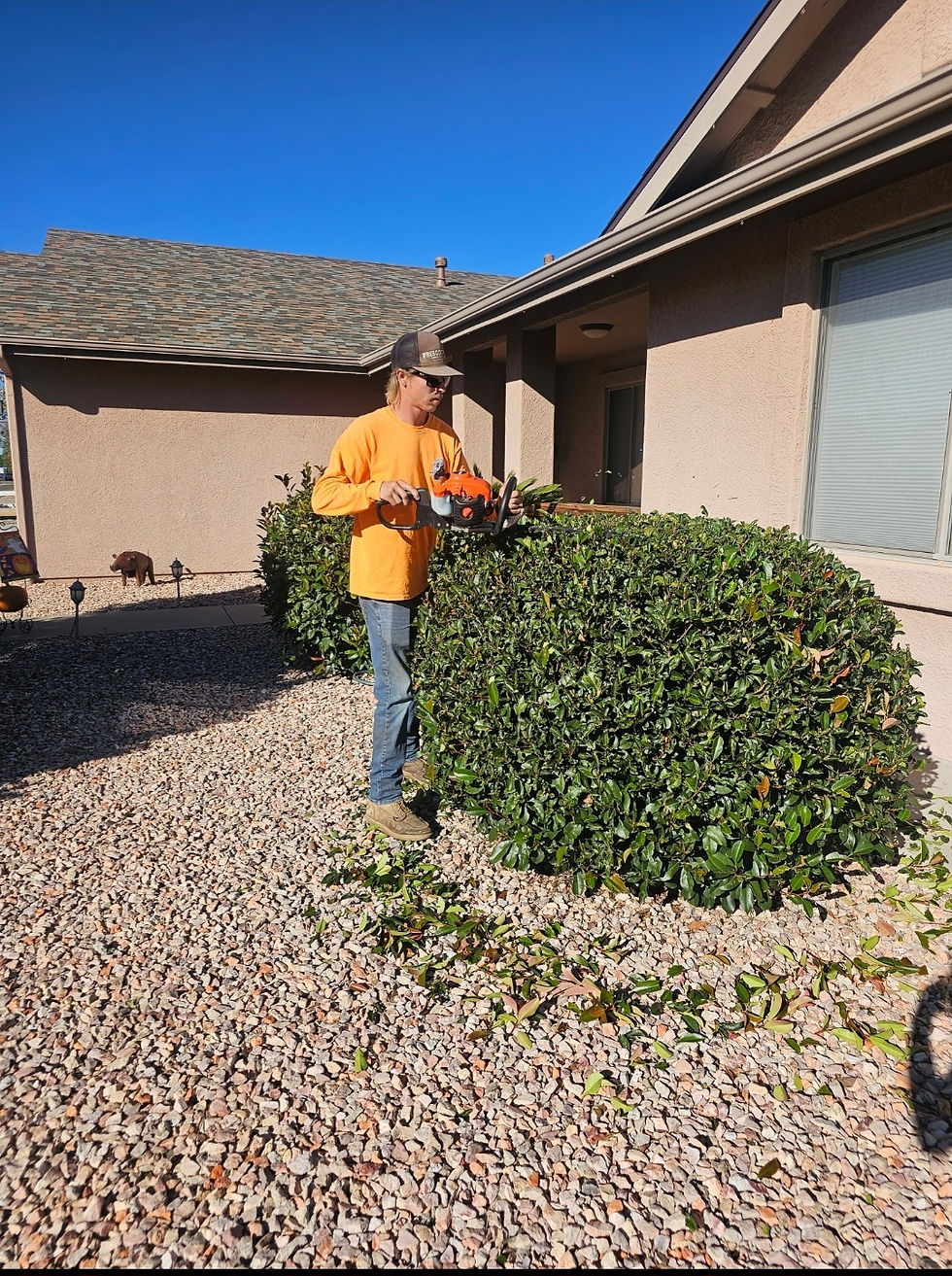
Tree and Shrub Trimming: Improve Health, Safety and Curb Appeal

Trimming trees and shrubs native to northern Arizona offers more than just a neat appearance. Proper pruning supports the health of plants adapted to the region’s unique climate, reduces safety risks, and enhances the overall look of your outdoor space. Whether you have a sprawling yard or a small garden, understanding the benefits of trimming native vegetation can help you maintain a thriving landscape that fits the local environment.
Why Trimming Native Trees and Shrubs Matters
Native plants in northern Arizona have evolved to survive in dry, often harsh conditions. While they are hardy, they still benefit from regular care. Trimming helps remove dead or diseased branches, which can otherwise drain the plant’s energy and invite pests. It also encourages new growth and improves air circulation, reducing the chance of fungal infections.
For example, the Arizona ash and manzanita shrubs respond well to selective pruning. Removing crowded branches allows sunlight to reach the inner parts of the plant, promoting healthier foliage and stronger branches. This care can extend the life of your trees and shrubs, making them more resilient to drought and extreme temperatures.
Enhancing Safety Around Your Home
Overgrown branches can pose safety hazards, especially during storms or high winds common in northern Arizona. Limbs that hang too close to roofs, power lines, or walkways increase the risk of damage or injury. Trimming these branches reduces the chance of falling limbs causing harm to people or property.
Shrubs that grow too close to windows or doors can also create hiding spots for unwanted animals or intruders. Keeping these plants well-trimmed improves visibility and security around your home. For instance, pruning juniper bushes near entryways can help maintain clear sightlines and discourage pests.

Boosting Curb Appeal with Well-Maintained Plants
A tidy landscape instantly improves the look of any property. Trimming native trees and shrubs shapes them into attractive forms that complement the natural surroundings. This is especially important in northern Arizona, where the desert and forest landscapes offer a distinct aesthetic.
Regular pruning removes unsightly deadwood and encourages flowering and fruiting in plants like the desert willow or Apache plume. These blooms add color and texture, making your yard more inviting. Well-maintained plants also show that you care about your property, which can increase its value if you decide to sell.

Best Practices for Trimming Northern Arizona Natives
When trimming native trees and shrubs, timing and technique are key. Most pruning should be done during the dormant season, typically late winter or early spring, before new growth starts. This minimizes stress on the plants and helps prevent disease.
Use sharp, clean tools to make precise cuts. Avoid removing more than 25% of the plant’s foliage at once to prevent shock. Focus on cutting back dead, damaged, or crossing branches first. For shrubs, thinning out crowded stems improves air flow and light penetration.
Some species, like the pinyon pine, require careful trimming to avoid damaging their natural shape. Others, such as the cliffrose, respond well to more aggressive pruning to encourage bushier growth. Researching each plant’s needs or consulting a local arborist can ensure the best results.

Environmental Benefits of Trimming Native Plants
Proper trimming supports the local ecosystem by keeping native plants healthy and productive. Healthy trees and shrubs provide habitat and food for birds, insects, and other wildlife. For example, the berries of the manzanita shrub feed many bird species, while the flowers of the desert willow attract pollinators.
Removing dead branches also reduces the risk of wildfires, a serious concern in northern Arizona’s dry climate. Deadwood can act as fuel, so trimming helps create defensible space around homes and reduces fire hazards.
Practical Tips for Homeowners
Inspect your trees and shrubs regularly for signs of disease or damage.
Schedule trimming during the cooler months to avoid heat stress.
Use proper pruning cuts just outside the branch collar to promote healing.
Mulch around the base of plants to retain moisture and protect roots.
Avoid topping trees, which can weaken them and lead to decay.
Consider hiring a professional for large trees or complicated pruning jobs.
By following these tips, you can keep your native plants healthy and your property safe and attractive.


Comments